
Looking for the Best Car Wash Near Me in Pickering?
We’ve all been there. You’re sitting at a red light, glancing at your grimy windshield, noticing the salt streaks creeping up the door panels, and you pull out your phone to search — “car wash near me.”
The results flood in. But how do you know which one is actually worth your time, your money, and — most importantly — your vehicle?
If you’re a driver in Pickering, Ontario, the answer is closer than you think. Mr. Shine Pickering has built a reputation as the city’s most trusted professional hand car wash and detailing destination. We specialize in providing top-quality, scratch-free hand washing to keep your car looking spotless — with expert care, eco-friendly products, and attention to detail that ensures a shine you can trust every single visit.
This guide walks you through everything you need to know — from what separates a professional car wash from an average one, to exactly what you’ll get when you walk through our doors at 1199 Kingston Rd.
Why a Professional Car Wash Is Worth It
Most drivers in Pickering wash their vehicles reactively — only when they become visibly dirty. But by the time you can see the grime, the damage has often already begun.
Road salt from Durham Region winters clings to your undercarriage and accelerates rust. Tree sap and bird droppings from spring settle into your clear coat and — if left for more than a few days — begin to etch permanently. Summer UV rays fade paint and dry out interior surfaces. Every season in Pickering brings a new threat to your vehicle’s condition.
A professional car wash does more than clean. It removes contaminants your eyes can’t see, applies protection that lasts for weeks, and preserves the surfaces that determine your vehicle’s long-term value.
Our experienced team uses high-quality products and meticulous techniques to remove dirt, grime, and road contaminants — leaving your car looking as good as new, whether it’s a quick wash or a deep clean.
And unlike an automated machine wash — which uses stiff rotating brushes and harsh detergents that cause micro-scratches and strip protective wax — every vehicle at Mr. Shine receives a complete hand wash using soft mitts, pH-neutral soap, and professional-grade care.
What Makes Mr. Shine the Best Car Wash in Pickering
When Pickering drivers search for a reliable car wash nearby, they have choices. Here’s what consistently brings them back to Mr. Shine:
Hand Wash Only — Every Time At Mr. Shine, every car is washed by hand using eco-friendly, biodegradable products that are safe for your vehicle’s surfaces. No machines. No brushes. Just professional hands and the right products. This approach protects your paint, preserves your clear coat, and delivers results no automated wash can replicate.
Fast, Efficient Service Walk in anytime — no appointment needed. Get your car cleaned on your schedule with fast, reliable service. Our express packages can be completed in as little as 20 minutes, making us the most convenient option for busy Pickering drivers.
Eco-Friendly Approach Mr. Shine is committed to environmentally responsible car care, utilizing eco-friendly products and water-efficient practices that minimize our impact on the planet — so your clean car doesn’t come at the environment’s expense.
Consistently Rated 4.7 Stars Mr. Shine Hand Car Wash & Car Detailing Pickering holds a 4.7-star rating with 134 verified reviews — a track record built on consistency, quality, and genuine care for every vehicle that pulls in.
Our Car Wash & Detailing Packages
At Mr. Shine, we offer a variety of car wash packages tailored to meet different needs and budgets — from quick exterior washes to full detailing services designed to provide exceptional value and quality.
Here’s a quick overview of what’s available:
In & Out Express — Starting at $40 Our most popular walk-in option. Full exterior hand wash, interior vacuum, mat cleaning, window treatment, and tire shine. Fast, thorough, and affordable for everyday maintenance.
Silver Package Everything in the express package plus door jamb cleaning, rim and wheel deep clean, exterior wax application, and interior surface conditioning. Great for a more thorough monthly refresh.
Gold Full Detail A comprehensive service covering both interior and exterior in full. Our Gold package restores that new-car feel — we clean, condition, and protect every surface to perfection, inside and out. Includes clay bar treatment, fabric shampooing, leather conditioning, and paint polish.
Platinum Detail — The Ultimate Package Our top-tier Platinum package combines a complete full detail with advanced paint polishing and a durable ceramic coating for ultimate protection and shine. Ideal for new vehicles, luxury cars, and pre-sale preparation.
Popular Add-Ons: Clay bar & paste wax ($100) decontaminates your paint and applies a high-quality protective wax. Engine detailing ($30) removes dirt and grime buildup, protecting your engine from corrosion. Headlight restoration ($50) removes haze and oxidation, improving lens clarity and brightness. A ceramic topper ($40) adds gloss and slickness to your paint, helping repel dirt and grime between washes. Leather & vinyl treatment ($30) conditions surfaces to keep them smooth, protected, and lightly finished.
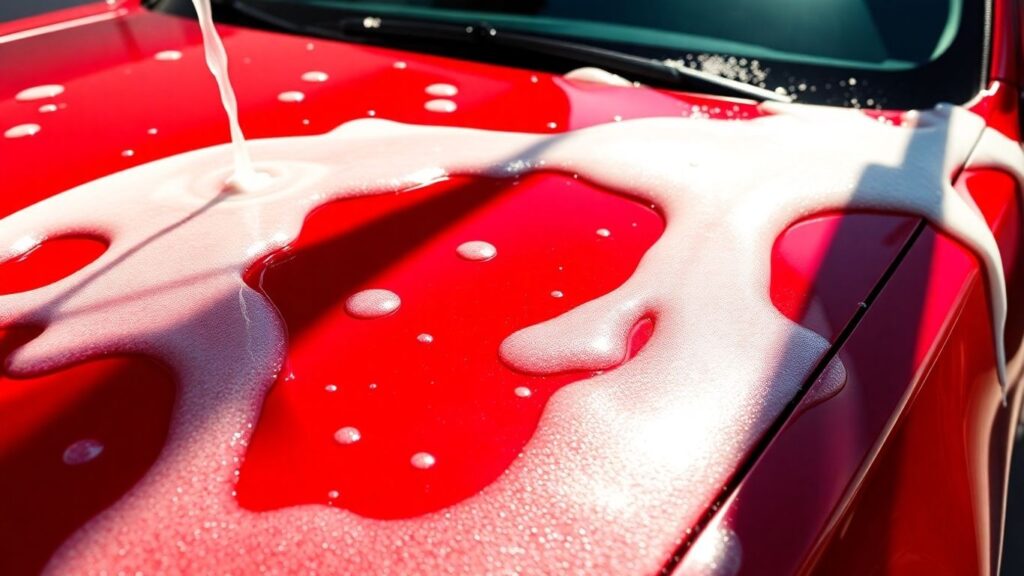
Pickering's Seasonal Car Care Guide
Living in Pickering means your vehicle faces a different challenge every few months. Here’s how regular professional washing protects your car throughout the year:
Winter — Road salt is the biggest threat. It clings to your undercarriage and lower body panels and causes rust if not removed after every heavy snowfall. A hand wash at Mr. Shine after winter storms keeps corrosion at bay.
Spring — Pollen, tree sap, and bird droppings settle fast and are mildly acidic. Left untreated for even a few days, they begin etching into your clear coat. A post-winter detail in March or April resets your paint and applies fresh protection.
Summer — UV rays fade your colour and oxidize your clear coat. A wax or ceramic coating applied during a summer visit forms a physical barrier that significantly slows this process.
Fall — Fallen leaves carry natural tannins that stain paint. Getting a clean before the first frost also means your vehicle enters winter with a protective layer in place — making the entire season easier on your finish.
At Mr. Shine Pickering, customer satisfaction is our priority. Whether you need a quick refresh or a complete detailing service, we offer affordable packages, fast service, and outstanding results.
What Pickering Drivers Are Saying
Real customers. Real results. Here’s what the community says:
“Took my black 2017 GMC Sierra for the In & Out service. Virtually no wait time, extremely fast service. The guys are efficient and friendly. Truck looked mint — especially after the wax. Very reasonable rates, clean and welcoming.” — Verified Google Review ⭐⭐⭐⭐⭐
“Excellent service by Assad and his team — car looks brand new after the buffing and engine cleaning!” — Verified Google Review ⭐⭐⭐⭐⭐
“Mr. Shine’s Pickering location is definitely the spot to take your vehicle for a mini in-and-out detailing. They do such an amazing job — for something that takes me 2–3 hours at home, it can be done at Mr. Shine in a fraction of the time.” — Verified Google Review ⭐⭐⭐⭐⭐
Customers frequently praise Mr. Shine for exceptional detailing quality, competitive pricing, and quick turnaround times — making it particularly suitable for busy individuals who need fast yet thorough car cleaning without overspending.
Frequently Asked Questions
Q1. Is Mr. Shine Pickering a walk-in car wash, or do I need an appointment?
All Mr. Shine locations are walk-in friendly — just drive in anytime during business hours. No booking, no apps, no waiting on hold. For standard packages including the express hand wash, Silver, and Gold detail, you can simply show up and our team will take care of you right away. For more involved services like full interior shampooing or the Platinum detail package, calling ahead to schedule is recommended so we can give your vehicle the dedicated time it deserves.
Q2. How long does a car wash take at Mr. Shine Pickering?
It depends on the package you choose. Quick express washes usually take 10–15 minutes, while Silver or Gold packages may take 20–30 minutes depending on vehicle size and service selected. Full detailing packages naturally require more time, and the Platinum detail — which includes paint polishing and ceramic coating — will take longer to ensure the highest possible quality result. Our team always gives you a realistic time estimate when you walk in.
Q3. What types of vehicles does Mr. Shine Pickering service?
We handle cars, crossovers, SUVs, pickup trucks, and vans. Pricing varies by vehicle type. Whether you’re bringing in a compact city car, a full-size pickup, a luxury sedan, or a family minivan, our team is trained and equipped to handle all vehicle sizes and finishes with the same level of care and precision.
Q4. Does Mr. Shine Pickering use safe products on all paint types?
Absolutely. We use pH-neutral shampoos and soft microfibre mitts that are completely safe for all paint types — including ceramic coated and wrapped vehicles. Every product used at Mr. Shine is eco-friendly, biodegradable, and specifically selected to enhance your vehicle’s finish without stripping protective coatings or causing paint damage.
Q5. How often should I get my car professionally washed in Pickering?
For most drivers in Pickering, a professional hand car wash every 2–3 weeks is recommended. If you drive frequently or park outdoors, more regular washes help protect your paintwork from dirt, salt, and environmental damage. At minimum, a full detail twice a year — once after winter and once before it begins — is the best way to maintain your vehicle’s condition and protect its long-term resale value.
Ready for the Best Car Wash Near You in Pickering? Visit Mr. Shine Today.
Your vehicle takes on Pickering’s roads every single day. It deserves more than a rushed drive-through rinse. At Mr. Shine Pickering, we give every car the professional, hand-washed care it needs — with the products, the expertise, and the genuine attention to detail that keeps Pickering drivers coming back.
No appointment. No hassle. Just results you’ll notice the moment you walk back to your car.
