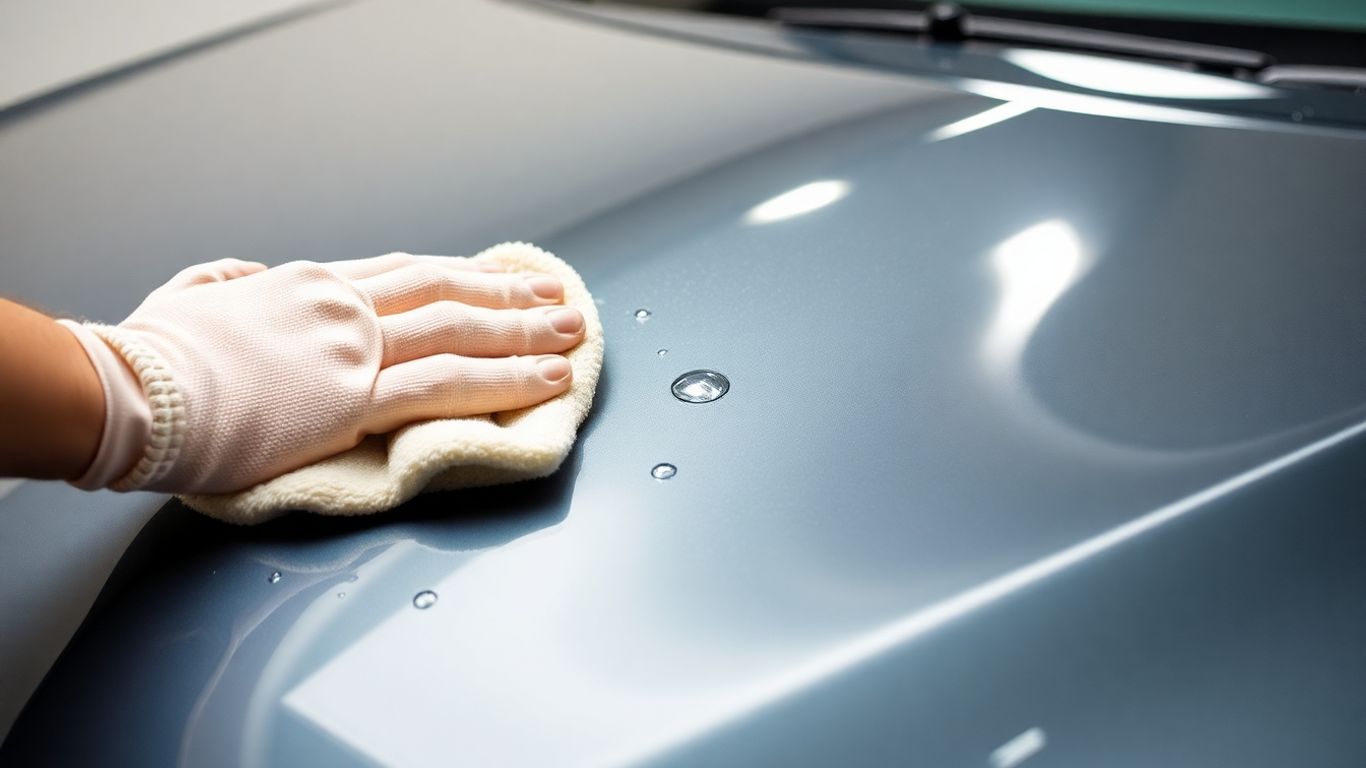
Want your car to look like it just rolled off the showroom floor? It’s totally doable, even if you’re not a pro detailer. This isn’t about magic, it’s about knowing a few tricks and having the right stuff. We’ll walk you through how to get that amazing shine, from washing it right to making sure the inside looks just as good as the outside. Get ready to make your car the envy of the block.
Key Takeaways
• A good car detailing job starts with proper preparation, including a thorough wash and dry, followed by a clay bar treatment to get a smooth surface.
• Professional techniques like paint correction and applying ceramic coatings can make your car’s finish flawless and protected.
• Regular washing using the two-bucket method and gentle drying with microfiber towels are key to maintaining a swirl-free shine.
• Using waxes or sealants helps protect your car’s paint from the elements, and professional detailing services can offer a deep clean and protection.
• Don’t forget the details: cleaning wheels properly and giving your car’s interior the same attention as the exterior makes a big difference.
Mastering the Art of Car Detailing Preparation
The Importance of a Thorough Wash and Dry
Before you even think about polishing or waxing, you’ve got to get the exterior properly clean. This isn’t just about making it look less dirty; it’s about removing all the grit and grime that could scratch your paint during the next steps.
A good wash removes loose dirt, dust, and road film. After washing, drying is just as critical. You want to get rid of all the water without leaving streaks or spots. Water spots can really mess up the final look, especially when the sun hits them. Here’s a quick rundown of what you need:
• High-quality car wash soap: Look for something pH-neutral that won’t strip existing waxes or sealants. • Soft microfiber wash mitt: These are gentle on your paint and hold soap well.
• Two buckets: One for soapy water, one for rinsing your mitt. This is key to avoiding scratches.
• Plush microfiber drying towels: These absorb a lot of water and are soft enough not to scratch.
Proper washing and drying are the absolute foundation of any detailing job. Skipping this or doing it poorly means you’re just pushing dirt around and setting yourself up for swirl marks later.
Executing the Clay Bar Treatment for a Smooth Surface
Once your car is washed and dried, you might notice the paint still feels a bit rough, even if it looks clean. That’s usually because of bonded contaminants – things like tree sap, bug residue, or industrial fallout that have stuck to your paint. This is where a clay bar comes in.
Using a clay bar gently glides over the paint and lifts these contaminants away, leaving the surface incredibly smooth. It’s a step that many people skip, but it makes a huge difference in how products like waxes and sealants bond to the paint and how the final shine looks. You can find good clay bars at most auto parts stores, and they’re usually pretty straightforward to use.
Just make sure you use a lubricant spray with it, otherwise, you’ll just be grinding dirt into your paint. You can get a good detailing lubricant spray to go with it.
Essential Accessories for Effective Car Detailing
Having the right gear makes the whole process easier and, more importantly, safer for your car’s finish. You don’t need a professional setup, but a few key items will really help you get that showroom look.
Microfiber towels are a must-have. They’re soft, absorbent, and won’t scratch your paint like old cotton rags can. You’ll want different types: plush ones for drying, and perhaps slightly less plush ones for buffing off polishes or waxes. Foam applicators are also great for applying products evenly, whether it’s a polish or a wax. And don’t forget brushes!
A set of detailing brushes in various sizes can get into all those tight spots, like around emblems, in door jambs, or inside vents. Using the right tools means you’re less likely to cause damage and more likely to get that professional finish you’re after.
Elevating Your Car's Shine with Professional Techniques
So, you’ve got your car washed and dried, maybe even hit it with a clay bar. That’s a great start! But if you’re aiming for that truly jaw-dropping, showroom-ready look, there are a few more steps that make a big difference. These are the techniques the pros use to get that deep gloss and protection.
The Power of Paint Correction for Flawless
Finishes This is where the magic really happens for your car’s exterior. Over time, your paint picks up all sorts of little imperfections. Think swirl marks from washing, light scratches from parking lot encounters, or oxidation from the sun. Paint correction is the process of removing these flaws to bring back the paint’s original clarity and depth. It’s not just about making it look good; it’s about restoring the surface to its best possible state.
• Swirl Marks: These are those tiny, circular scratches you see when the light hits your paint just right. They’re usually caused by improper washing or drying techniques.
• Scratches: Deeper than swirls, these can range from minor surface marks to deeper gouges. Paint correction can often remove or significantly reduce the appearance of lighter scratches. • Oxidation: This is when the paint starts to fade and lose its color and shine due to exposure to UV rays and the elements. It often looks like a dull, chalky layer on the surface.
Paint correction typically involves using a machine polisher with different grades of abrasive compounds and polishes. You start with a coarser compound to remove the defects and then move to finer polishes to refine the finish and bring out the shine. It takes patience and practice, but the results are stunning.
Applying Ceramic Coatings for Lasting Protection
Once your paint is looking its best after correction, you want to keep it that way. That’s where ceramic coatings come in. Forget old-school waxes that last a few weeks. A ceramic coating is a liquid polymer that chemically bonds with your car’s factory paint, creating a durable, protective layer. It’s like giving your car a clear, hard shell.
Here’s what makes them so good:
• Durability: Properly applied ceramic coatings can last for years, offering much longer protection than traditional waxes or sealants. • Hydrophobic Properties: Water beads up and rolls right off, taking dirt and grime with it. This makes washing your car much easier and helps prevent water spots.
• UV Protection: They help shield your paint from harmful UV rays, reducing the risk of fading and oxidation.
• Chemical Resistance: They offer a barrier against environmental contaminants like bird droppings, tree sap, and road salt.
Applying a ceramic coating requires a clean, properly prepped surface (hence the paint correction first!). It’s usually applied in thin, even layers and then allowed to cure. Some DIY kits are available, but for the best, longest-lasting results, professional application is often recommended.
Deep Cleaning and Conditioning Interior Surfaces
Don’t forget the inside! A clean interior makes driving so much more pleasant. This goes way beyond just vacuuming.
• Upholstery: Whether you have cloth, leather, or vinyl, each needs specific cleaning and conditioning. For leather, use a dedicated leather cleaner followed by a conditioner to keep it soft and prevent cracking. For cloth, use an upholstery cleaner and a brush to lift stains and dirt.
• Plastics and Trim: These surfaces can get dusty and faded. Use an interior detailer spray and a microfiber cloth to clean and protect them, often leaving a nice, non-greasy finish.
• Carpets and Mats: Stubborn dirt and stains can be tackled with carpet cleaners and extractors if needed. Don’t forget to clean the door jambs too – they get surprisingly dirty!
Taking the time to properly correct your paint and apply a good ceramic coating, combined with a thorough interior clean, is what truly transforms a car from just clean to showroom-level stunning. It’s an investment in your vehicle’s appearance and longevity.
Maintaining Your Car's Showroom Sparkle
Keeping that fresh-from-the-dealership look isn’t a one-time job; it’s about consistent care. Think of it like tending a garden – regular attention prevents things from getting out of hand. You want your car to look its best not just after a big detail, but day in and day out. This means adopting a routine that protects your paint and keeps the interior looking sharp.

The Benefits of Regular Washing and Quality
Shampoo Washing your car regularly is the first line of defense against the elements. Road salt, bird droppings, tree sap, and general road grime can all etch into your paint if left unchecked. A good wash removes these contaminants before they cause permanent damage. When you wash, using a quality car shampoo makes a big difference. These soaps are pH-balanced, meaning they clean effectively without stripping away any protective wax or sealant you might have applied. Cheaper, harsher detergents can actually dry out your paint and make it more vulnerable. Regular washing with the right products is the foundation of long-term shine.
Utilizing the Two-Bucket Method for Swirl-Free Results
Ever notice tiny circular scratches on your paint after washing? Those are swirl marks, and they often come from dragging dirt back onto the paint during the wash. The two-bucket method is a simple yet incredibly effective way to avoid this. You’ll have one bucket with your soapy water and another with clean rinse water. After washing a section of the car, you rinse your wash mitt in the clean water bucket before dipping it back into the soap bucket. This keeps the dirt and grit trapped in the rinse bucket, away from your paint.
Here’s how it works:
• Fill one bucket with your car wash soap and water.
• Fill a second bucket with plain, clean water. • Dip your wash mitt into the soapy water and wash a section of your car.
• Rinse the dirty mitt thoroughly in the clean water bucket.
• Dip the clean mitt back into the soapy water and repeat.
The Crucial Role of Gentle Drying Techniques
After washing, drying is just as important. Water left to air dry can leave behind mineral deposits, resulting in unsightly water spots. But how you dry matters too. Using old t-shirts or rough towels can cause scratches. The best approach is to use plush, high-quality microfiber drying towels. These towels are highly absorbent and soft, designed to lift water away from the surface without dragging grit or causing damage. Some people also use a leaf blower or a dedicated car dryer for a touchless drying experience, which is even gentler.
Proper drying prevents water spots and minimizes the risk of introducing new scratches, preserving the smooth finish you worked hard to achieve. It’s a small step that has a big impact on the overall look of your car.
Maintaining your car’s sparkle is an ongoing process, but by incorporating these practices, you’ll keep it looking fantastic for years to come.
Advanced Car Detailing for Ultimate Protection
After all that hard work cleaning and polishing, you want to keep your car looking great, right? That’s where advanced protection comes in. It’s not just about making your car shine today; it’s about keeping that shine safe from the everyday stuff that tries to dull it down.
Sealing the Deal with Wax or Sealant
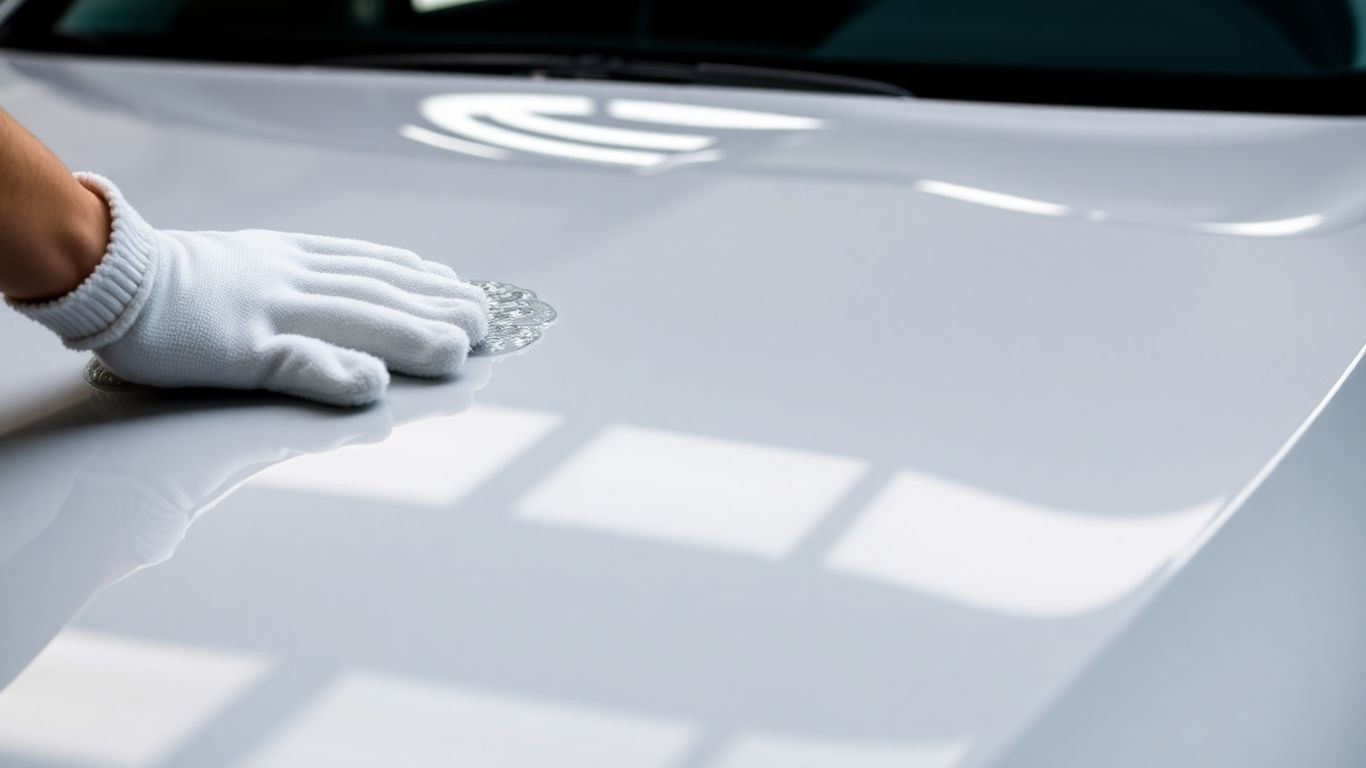
Think of wax and sealants as the final layer of armor for your car’s paint. Waxes, often made from natural ingredients like carnauba, give a really warm, deep shine. They’re great for that classic look. Sealants, on the other hand, are synthetic and usually last longer. They offer a different kind of shine, often brighter and sharper. Both do a good job of repelling water and dirt, making your car easier to clean later on.
Shielding Your Ride from Environmental Elements
Your car is constantly battling things like UV rays from the sun, bird droppings, tree sap, and road salt. These aren’t just annoying; they can actually damage your paint over time, leading to fading, etching, and rust. Applying a good protective layer, like a quality paint protection film, acts as a barrier. It takes the hit from these elements so your paint doesn’t have to. This is super important for keeping your car looking good and holding its value.
The Value of Professional Detailing Services
While you can certainly do a lot of this yourself, sometimes calling in the pros makes a big difference. They have access to specialized tools and products, and they know the techniques to get the best results without risking damage. If you’re aiming for that absolute perfect finish or dealing with paint issues you’re not sure how to fix, a professional detailer can be a smart move. They can handle everything from complex paint correction to applying long-lasting ceramic coatings, giving you peace of mind and a car that truly stands out.
Understanding the Nuances of Car Detailing
Defining Car Detailing Beyond a Basic Wash
So, what exactly is car detailing? It’s easy to think it’s just a fancy car wash, but it’s really a whole different ballgame. A basic wash gets the surface dirt off, sure. But detailing? That’s about getting into every single nook and cranny, inside and out. We’re talking about cleaning, restoring, and protecting your car to make it look as close to new as possible. It’s a meticulous process, not just a quick rinse.
The Importance of Detailing for Vehicle Value
Keeping your car looking sharp isn’t just about pride, though that’s a big part of it. It actually helps keep your car’s value up. Think about it: a car that’s been regularly detailed, with paint that shines and an interior that’s spotless, is going to fetch a better price when you decide to sell it. It shows you’ve taken good care of it. Plus, regular cleaning helps prevent things like rust and fading, which can really hurt your car’s condition over time. Here’s a quick look at how detailing impacts value:
|
Aspect
|
Basic Wash Impact
|
Detailing Impact
|
|||
|---|---|---|---|---|---|
|
Exterior Paint
|
Minor Protection
|
Restore Protected
|
|||
|
Interior
|
Surface Clean
|
Deeper Cleaned, Condtioned
|
|||
|
Resale Value
|
Average
|
Significantly Higher
|
|||
Distinguishing Car Detailing from a Standard Car Wash
Let’s break down the difference.
A standard car wash is pretty straightforward: you drive through, get sprayed down, maybe some brushes go over it, and you’re out. It removes loose dirt and grime. Detailing, on the other hand, is a hands-on, detailed process. It involves specific tools and products for different parts of the car. We’re talking about things like:
• Paint Correction: Fixing swirl marks and scratches.
• Interior Deep Cleaning: Shampooing carpets, conditioning leather, cleaning vents.
• Protection: Applying waxes, sealants, or ceramic coatings. It’s the difference between a quick tidy-up and a full renovation.
You can’t get that showroom shine with just a drive-through wash, no matter how much they promise.
Focusing on the Details: Wheels and Interior Care
While the exterior often gets the spotlight, don’t forget about the parts of your car that get you around and the space where you spend most of your time.
We’re talking about wheels and the interior. These areas are just as important for that overall show-car look and feel.
The Unsung Hero: Proper Wheel Cleaning Techniques
Wheels take a beating, right? Brake dust, road grime, tar – it all sticks to them. If you don’t clean them regularly, that stuff can actually start to eat away at the finish, especially on alloy or chrome wheels. It’s not just about looks; it’s about keeping your wheels from getting damaged long-term. A good wheel cleaning routine is key to preserving their shine and integrity.
Essential Tools and Products for Wheel Detailing
Getting your wheels spotless doesn’t require a magic wand, just the right gear. You’ll want a dedicated wheel cleaner that’s safe for your specific wheel type – painted, polished, chrome, whatever you’ve got. Avoid harsh household cleaners. Then, grab a few brushes: a soft-bristled one for the face of the wheel, a stiffer one for the barrels, and maybe a small detail brush for lug nut areas. Microfiber towels are a must for drying. For tires, a good tire cleaner and a dressing will make them look like new.
Here’s a quick rundown of what you might need:
• Wheel Cleaner: Choose one formulated for your wheel finish.
• Wheel Brushes: A set with varying stiffness and sizes.
• Microfiber Towels: Several for washing and drying.
• Tire Cleaner: To remove road film and grime.
• Tire Dressing: For that deep, dark finish. Remember to always work on cool wheels. Cleaning hot wheels can cause products to dry too quickly, leaving spots and streaks. It’s also a good idea to rinse them thoroughly before you start scrubbing to get rid of loose dirt.
Giving Your Car’s Interior the Attention It Deserves
Your car’s interior is your personal space. Keeping it clean makes driving way more enjoyable and helps maintain the car’s value. Think about it: you’re in there every day. A clean interior means a more pleasant commute and a better overall experience. We’ve got a guide that covers interior car detailing steps if you want to get really detailed.
When you’re tackling the inside, start by removing all the junk. Then, give everything a good vacuum – seats, carpets, floor mats, even those little nooks and crannies. For surfaces like the dashboard and door panels, a good interior detailer spray and a microfiber cloth work wonders. If you have leather seats, use a dedicated leather cleaner and conditioner to keep them soft and prevent cracking.
For carpets and fabric seats, a good upholstery cleaner can tackle stains and refresh the fabric. Don’t forget about the glass; a streak-free cleaner will make a big difference. And if there are any lingering odors, an odor eliminator spray is your best friend.
Keep That Shine Going
So, you’ve put in the work, and your car looks amazing, right? It’s like a whole new ride. Remember, keeping it this way isn’t a one-time thing. Regular washes, maybe a quick wax now and then, and paying attention to the little spots will make a big difference. Think of it like taking care of anything you value – a little effort goes a long way. Your car isn’t just how you get around; it’s a reflection of you. Keep it looking sharp, and you’ll feel good every time you get behind the wheel.
Frequently Asked Questions?
What's the main difference between a car wash and car detailing?
Think of a car wash as a quick bath for your car’s outside. It gets rid of the surface dirt. Car detailing is like a full spa treatment! It’s a deep clean and polish for both the inside and outside, fixing little problems and making your car look its absolute best, almost like new.
Why is washing and drying so important before detailing?
Washing removes loose dirt and gunk so you don’t scratch the paint when you touch it. Drying carefully with a soft towel stops water spots from showing up later, which would mess up that shiny finish you’re trying to get.
What does a 'clay bar treatment' do for my car?
After washing, your car’s paint might still feel a little rough because of tiny bits of dirt stuck on it. A clay bar is like a special eraser that glides over the paint, picking up all those little imperfections. This makes the surface super smooth, which is key for a super shiny, showroom look.
How often should I wash my car to keep it looking good?
It’s a good idea to wash your car about once a week, especially if you drive it a lot or if it’s exposed to dirt, rain, or sun. This stops dirt from sticking around and causing damage, helping to keep that shine going strong.
What's the 'two-bucket method' and why should I use it?
The two-bucket method is a smart way to wash your car without making swirl marks. You use one bucket with soapy water to wash your car, and another bucket with clean water to rinse your wash mitt. This keeps the dirt from your mitt out of the clean soap water, so you’re not rubbing dirt back onto your car.
Besides washing, what else can I do to protect my car's shine?
After washing and cleaning, you can add a layer of protection with wax or a sealant. These act like a shield for your car’s paint, protecting it from the sun, dirt, and other things that can make it look dull. It’s like putting a clear coat over your car’s finish.
