You do your best to keep your car clean. You run it through the wash, vacuum the carpets, and wipe down the dash. But what if the biggest threats to your health are the ones you can’t see?
The hard truth is that your car’s interior can be a hotbed for bacteria, viruses, mold, and allergens. In fact, research shows the average steering wheel has around 700 bacteria per square inch—making it significantly dirtier than a public toilet seat. For families, allergy sufferers, or anyone who spends significant time on the road, this isn’t just an issue of cleanliness; it’s a matter of health.
Navigating the world of car sanitization can feel overwhelming. Do you trust a DIY approach with store-bought wipes, or is a professional deep clean necessary to truly eliminate these threats? This guide will give you the clarity you need. We’ll break down the science behind in-car contaminants and provide a straightforward framework for comparing your options, empowering you to make the best decision for a healthier driving environment.
The Invisible Passengers: What’s Really Lurking in Your Car?
Before you can fight the enemy, you need to know what it is. Your vehicle’s cabin is a unique ecosystem where pathogens and allergens can accumulate and thrive, often in places you’d least expect.
Bacteria & Viruses: High-touch surfaces are the primary culprits. Studies consistently find high bacterial loads on steering wheels, gear shifters, door handles, and touchscreens. The trunk is another surprising hotspot, with some studies detecting over 1,400 bacteria in a small sample area.
Mold & Fungi: Your car’s HVAC system is the perfect breeding ground. Moisture from the air conditioner can lead to mold growth in the vents and filters, circulating spores throughout the cabin every time you turn on the fan. Research has identified over 18 allergenic fungal species lurking in car AC systems.
Allergens: From pollen blowing in through open windows to pet dander clinging to upholstery and dust mites settling deep into carpet fibers, your car acts like a magnet for common allergens. These particles get trapped and recirculated, creating a constant source of irritation for sensitive occupants.
Your Sanitization Strategy: A Clear Comparison of DIY vs. Professional Methods
Once you understand the scope of the problem, the next step is choosing the right solution. Your decision often comes down to a DIY approach versus calling in a professional. Let’s look at the real-world effectiveness of each.
The DIY Approach: What Works and What to Avoid
For routine maintenance and minor spills, a hands-on approach can be effective if done correctly. The key is using the right products and techniques to avoid causing unintended damage to your car’s sensitive interior surfaces.
What Works:
Thorough Vacuuming: Use a vacuum with a HEPA (High-Efficiency Particulate Air) filter. This is crucial as it traps microscopic allergens like pollen and dust mites instead of just recirculating them back into the air.
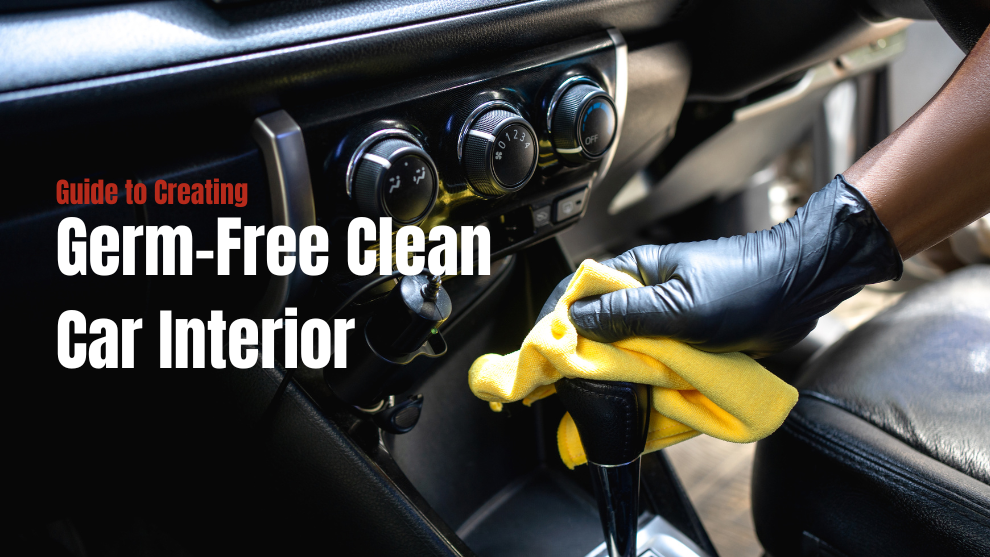
Targeted Disinfection: For hard, non-porous surfaces like plastic door handles and dashboards, a solution of at least 70% isopropyl alcohol (IPA) is a professional-grade choice. It effectively kills germs without the harshness of bleach. Always test on a small, inconspicuous area first.
Proper Technique: When using any disinfectant, dwell time is critical. This is the amount of time the surface must remain visibly wet to kill the pathogens. Spray and let it sit for the manufacturer-recommended time (often 30 seconds to a few minutes) before wiping dry.
What to Avoid (And Why):
Many common household cleaners can permanently damage your car’s interior. Avoid using bleach, hydrogen peroxide, or ammonia-based cleaners, as they can discolor plastics, dry out leather, and damage touchscreens. Be especially wary of using disinfecting wipes not specifically designed for automotive use, as their chemical formulas can be too harsh for vehicle materials.
Material Safety Cheat Sheet
Material
Safe to Use
Avoid
Leather
pH-neutral cleaner, mild soap, conditioner
Alcohol, bleach, ammonia
Vinyl & Plastics
70% IPA, interior-safe cleaners
Abrasives, bleach
Fabric & Upholstery
Fabric cleaners, enzyme cleaners
Excessive water, harsh chemicals
Touchscreens
Screen-safe cleaner, microfiber cloth
Window cleaner, paper towels
While DIY is great for upkeep, it often only addresses surface-level issues and carries the risk of damaging expensive materials if you use the wrong product.
The Professional Deep Clean: When Expertise Matters Most
For a true, deep sanitization that eliminates pathogens from every nook and cranny, professional methods are unmatched. These techniques go far beyond what’s possible with consumer-grade products.
At Mr. Shine, we rely on two core professional methods that deliver exceptional results safely and effectively:
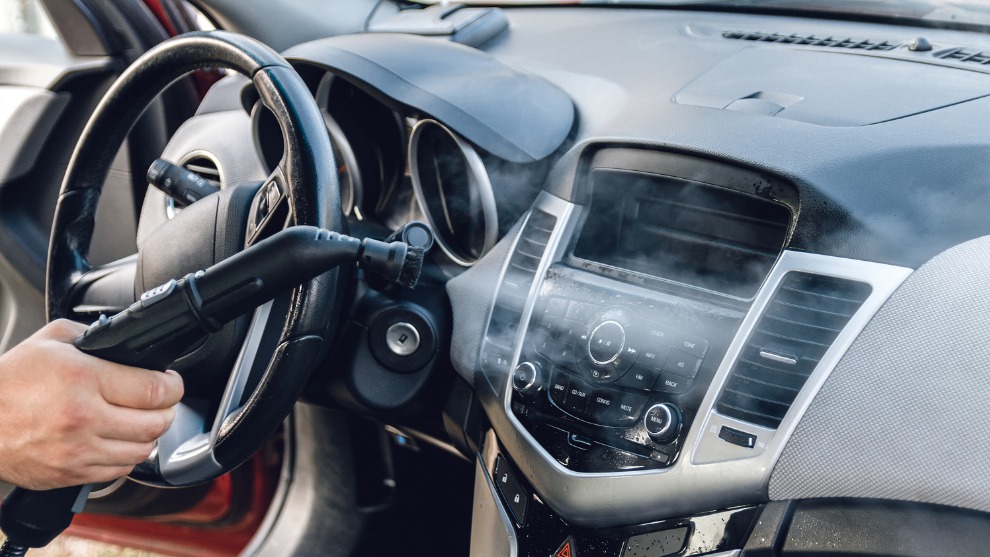
High-Temperature Steam Cleaning: This is one of the most powerful and eco-friendly sanitization tools available. By using steam heated to over 200°F (93°C), we can kill 99.9% of bacteria, viruses, and allergens on contact without any harsh chemicals. The high-pressure steam penetrates deep into porous surfaces like fabric seats and carpets to neutralize odors and lift embedded grime that vacuums leave behind. Our expert technicians know precisely how to apply steam safely, protecting delicate materials like leather and vinyl trim from potential damage.
Antimicrobial Treatments: After a thorough deep clean, we can apply professional-grade antimicrobial treatments. These create a microscopic, protective barrier on surfaces that inhibits the growth of bacteria and mold for an extended period, helping to keep your car healthier for longer.
Choosing a professional service like ours removes the guesswork and risk. You get the peace of mind that comes from knowing the job was done correctly, with the right tools and expertise to protect your investment. When you need a comprehensive solution, ourdetailing packages offer a range of options to restore your vehicle’s interior health.
Making the Right Choice: A Decision-Making Framework
Still unsure which path is right for you? Use this simple table to assess your situation and determine the best course of action.
Ask yourself these questions:
Who are my passengers? If you regularly transport children, elderly family members, or anyone with allergies or a compromised immune system, a professional deep clean provides an essential level of hygiene.
What is the problem? For a simple coffee spill, a quick DIY cleanup is fine. For a persistent musty odor, suspected mold, or deep-set allergens, professional intervention is necessary to solve the root cause.
What is my car’s interior made of? If you have a luxury vehicle with delicate leather, Alcantara, or sensitive electronics, trusting an expert detailer prevents costly mistakes.
Beyond the Deep Clean: Maintaining a Healthy Interior
A professional sanitization sets a new standard for cleanliness. To maintain it, a few simple habits can make a huge difference.
Change Your Cabin Air Filter: This is your car’s first line of defense. Replace it annually (or more often in dusty areas) with a high-quality HEPA filter to trap allergens before they ever enter the cabin.
Wipe Down High-Touch Surfaces Weekly: Keep a small bottle of 70% IPA solution and a microfiber cloth in your car for quick wipe-downs of the steering wheel, shifter, and door handles.
Adopt a Routine: For consistent, hassle-free maintenance, many of our clients opt for ourunlimited wash membership. It’s a convenient and cost-effective way to ensure your car receives regular, professional hand washing and interior vacuuming, preventing the buildup of dirt and germs over time.
Frequently Asked Questions About Car Interior Sanitization
Q: Can I just use Clorox wipes on my car’s interior?
A: We strongly advise against it. While effective disinfectants, the chemicals in most household wipes are too harsh for automotive materials. They can cause fading, drying, and cracking on dashboards, leather, and plastic trim over time.
Q: How effective is steam cleaning against viruses and bacteria?
A: Extremely effective. The high temperatures (above 200°F / 93°C) instantly kill 99.9% of common germs and pathogens on contact, making it a hospital-grade sanitization method without the need for chemicals.
Q: How often should I get my car professionally sanitized?
A: For most drivers, a deep professional sanitization once or twice a year is sufficient to reset the interior’s hygiene. If you have severe allergies, transport pets, or are highly concerned about germs, you might consider it seasonally.
Q: What’s the difference between cleaning, sanitizing, and disinfecting?
A: Cleaning removes visible dirt and grime. Sanitizing reduces the number of bacteria to a safe level. Disinfecting kills nearly all viruses and bacteria on a surface. A professional service like steam cleaning does all three simultaneously.
Drive with Confidence and Peace of Mind
Your vehicle should be a safe, comfortable, and healthy space for you and your passengers. By understanding the threats lurking within and knowing your options for eliminating them, you can take control of your car’s interior environment.
Whether it’s adopting a more effective DIY routine or trusting our experts for a comprehensive deep clean, a sanitized car is more than just a clean car—it’s peace of mind on every journey.
Ready to restore your car’s interior to a truly healthy state? Explore the services offered atMr. Shine Car Wash in Pickering to find the right level of deep cleaning for your vehicle.